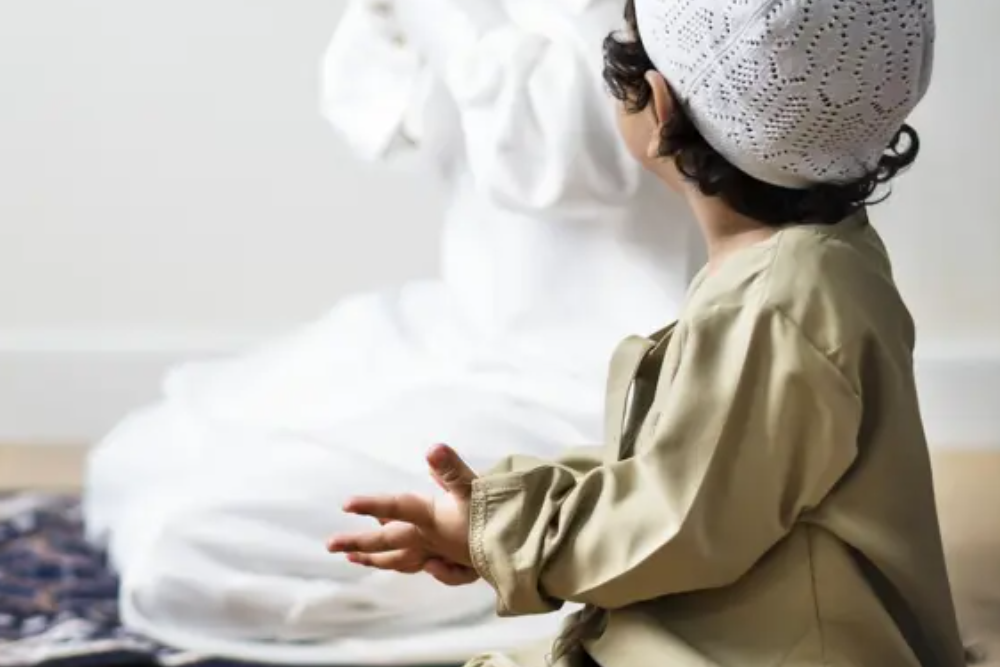
Teaching young children how to make Du’a helps them build a lifelong connection with Allah. For toddlers and early readers, the concept of praying can sometimes feel hard to grasp.
However, introducing Du'a can be a simple and natural part of your daily routine. This guide breaks down the easiest ways to help your child start talking to Allah.
How Do You Teach a Child to Make Du'a?
The fastest way to teach a child to make Du'a is to lead by example. Show them that making Du'a means talking to Allah. Start by saying short Du'as out loud at bedtime, and let them use their own language to ask Allah to protect the things they love.
5 Steps to Teach Your Child to Make Du'a
1. Make Your Own Du'as Out Loud
Children copy what they see and hear. When they watch you raising your hands and talking to Allah, they naturally want to join in. Next time you misplace your keys, say, "Oh Allah, please help me find my keys." When you find them, say, "Alhamdulillah, thank you Allah." This shows them that talking to Allah is a normal part of the day.
2. Keep the Definition Simple
Tell your child, "Du'a is having a chat with Allah. He is our Creator, and He loves to hear from us." Let them know that Allah can hear them anywhere and at any time, even when they whisper.
3. Encourage Them to Use Their First Language
While learning the Sunnah Du'as in Arabic is important, young children benefit from starting with the language they speak at home. If they speak English, let them make Du'a in English. The main goal at this age is building a connection.
4. Connect Du'a to Their Daily Life
Toddlers care deeply about their toys, their snacks, and their family. Encourage them to make Du'a for the things in their immediate world:
"Oh Allah, protect my new toy car."
"Oh Allah, make my tummy feel better."
"Oh Allah, bless my pet cat."
Connecting Du'a to their interests helps them see that Allah cares about them.
5. Add Du'a to the Bedtime Routine
Bedtime is an ideal moment for Du'a. The house is quiet, and it is a good time to reflect. Ask your child two simple questions every night:
What is one thing we can say 'Thank You' to Allah for today?
What is one thing we can ask Allah for tomorrow?
Make Learning Fun with 'My Du'a For You'
Children learn best through storytelling, especially when they see themselves in the story. We created My Du'a For You to give parents a tool for bedtime reading. It is a fully personalised Islamic storybook where you add your child’s name and character to the illustrations.
The book takes your child on a journey, showing them the beautiful Du'as you make for them as a parent. It teaches them that making Du'a is an act of love.
Why this book works for early readers:
They get to spot their own name throughout the story.
The bright, engaging pictures hold their attention.
It builds a feeling of safety and connection to Allah.
Click here to preview 'My Du'a For You' and see your child's name in print today. https://littlehibba.com/my-dua-for-you
Frequently Asked Questions (FAQ)
At what age should I start teaching my child about Du'a?
You can start from the day they are born. Babies benefit from hearing you make Du'a out loud. By the time they are 2 or 3 years old, you can encourage them to raise their hands and say "Ameen."
Do Du'as have to be in Arabic?
No. While there are special Sunnah Du'as in Arabic, personal Du'as can be made in any language. Allah understands all languages perfectly.
How do I make Du'a fun for toddlers?
Turn it into a game. Ask them to think of a silly or specific thing to thank Allah for, like a fun day at the park or their favorite snack. Reading personalized books like My Du'a For You also makes the learning process engaging.